


By Allison Anne Hoyt, Head of Advanced Sales Consulting at MassMutual Ascend
Fee-based deferred annuity contracts are some of the most misunderstood products in the financial services industry. This lack of understanding has made them easy targets for pundits to vilify, causing Investment Advisor Representatives (IARs) to underutilize them and their clients to miss out on prudent investment opportunities. It’s always easiest to dismiss what we don't fully understand. However, as industry professionals, we have far more to gain by expanding our toolkits than by closing the door to viable solutions.
Also consider that we’ve recently spent more than a decade in a near zero interest rate environment. The shifting interest rate environment has allowed today’s fee-based deferred annuity contracts to be designed with better guarantees and higher payouts. As a result, since 2020, individual annuity contracts continue to set new records year after year.1
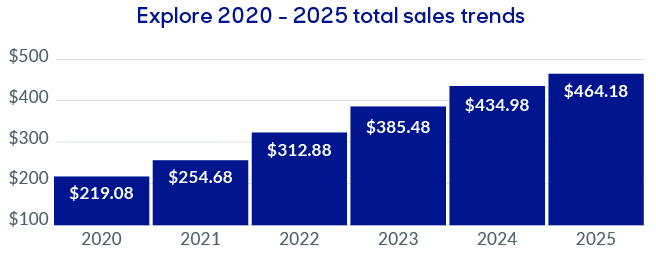
This article will reorient IARs to the unique characteristics of fee-based deferred annuity contracts, including common liquidity provisions such as the free withdrawal and market value adjustment (MVA). After defining what is meant by “fee-based deferred annuity contracts,” we’ll highlight the different types available in their order of popularity, based on industry statistics. Then, we’ll review the requirements for IARs to manage fee-based deferred annuity contracts for their clients and collect advisory fees directly from the account value (if desired). We’ll end by exploring five ways clients are able to access funds within fee-based deferred annuity contracts.
Sources:
1From Life Insurance Marketing and Research Association’s (LIMRA) Annuities in Focus: 2025 Sales Performance and the Forecasted Path Through 2028 (account needed to access). LIMRA maintains multiple statistics related to the sale of life insurance and annuity contracts in the United States and abroad. For more than a century it’s “served as the largest trade association supporting the insurance and related financial services industry.” It currently has over 700 member companies.

